
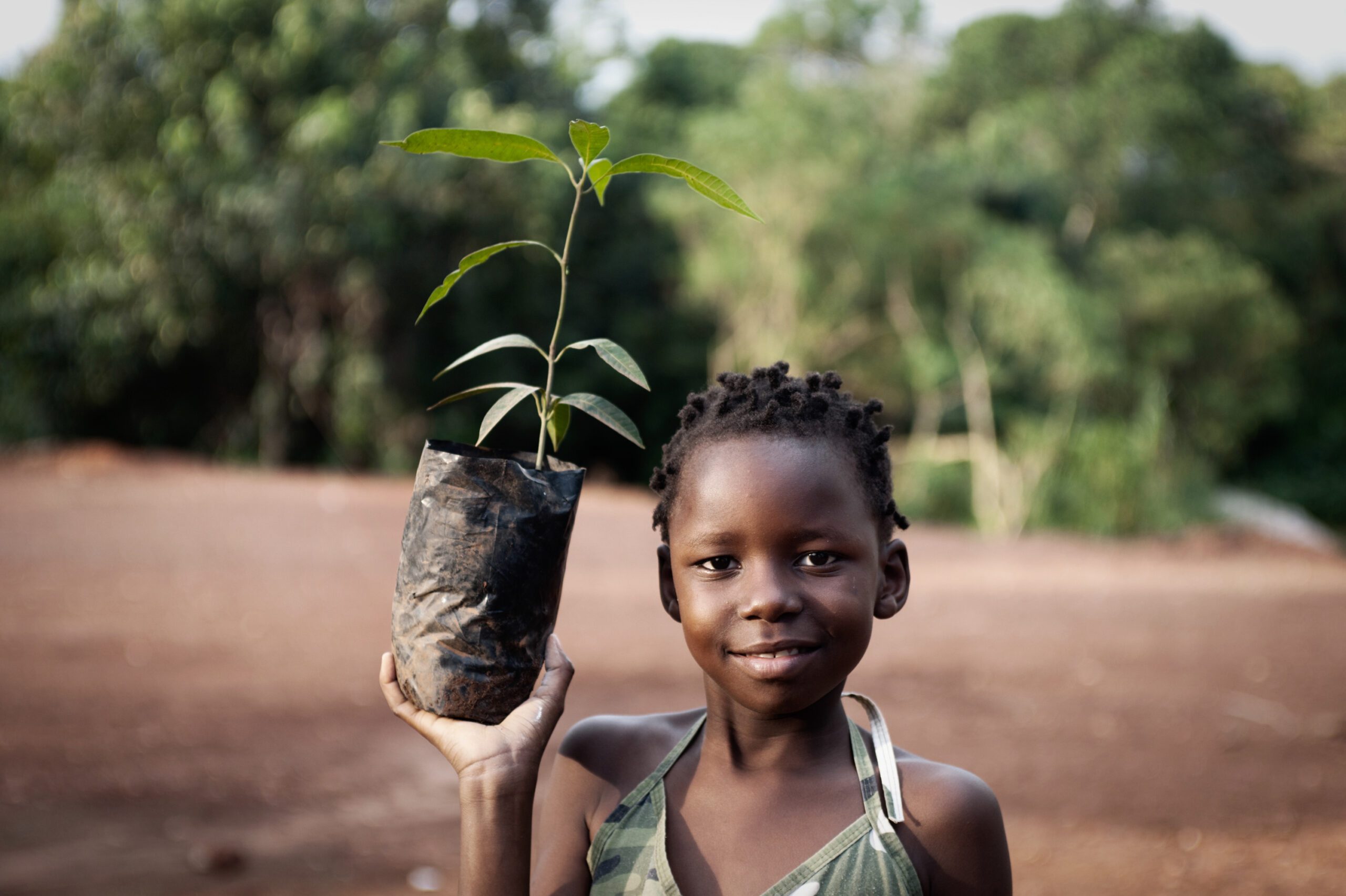
Climate Change Starts in Our Backyard

Climate Change Starts in Our Backyard: Why Local Action Matters

Climate change isn’t coming—it’s here.
In Kenya and across Africa, the signs are clear: prolonged droughts, flash floods, rising temperatures, and unpredictable growing seasons are disrupting lives and livelihoods, especially for those who depend on the land.

But the fight against climate change doesn’t have to start in boardrooms or government offices—it can begin right where we are.

Local solutions, lasting impact

Across rural communities, young people are leading climate adaptation efforts. Through grassroots campaigns, they are:

  • Planting trees to combat deforestation.

  • Promoting clean cooking alternatives to reduce emissions.

  • Creating awareness on waste management and plastic use.

  • Building small-scale irrigation systems to adapt to dry seasons.

The role of youth

With the support of organizations like SMACHS Foundation, youth are turning awareness into action. Training programs on climate-smart agriculture, environmental clubs in schools, and community clean-up drives are just a few examples of how young people are showing that local action can have a global impact.

“It’s not about waiting for change—it’s about becoming the change,” says a youth ambassador from Kisii County.

Conclusion:
Climate change may be a global crisis, but its solutions start at home. When we empower local communities—especially youth—to lead, we build resilience from the ground up.
ESG in Agriculture:

Sustainable farming is no longer a choice—it’s a necessity.
Agriculture accounts for a large share of greenhouse gas emissions, deforestation, and water usage. But with the right practices, farming can be part of the solution. That’s where ESG—Environmental, Social, and Governance—principles come in.

What is ESG in agriculture?

ESG refers to the standards for a farm or agribusiness’s operations that ensure they are environmentally sound, socially responsible, and well-managed. In practice, this looks like:

  • Environmental: Practicing regenerative agriculture, conserving water, avoiding harmful pesticides.

  • Social: Ensuring fair labor, supporting gender equality, and protecting farmer health.

  • Governance: Transparent supply chains, ethical sourcing, and local community engagement.

How SMACHS is making ESG real

Through programs like model farms and youth agri-training, the SMACHS Foundation integrates ESG into small-scale farming. Youth are learning to:

  • Use organic fertilizers and compost.

  • Practice crop rotation and intercropping.

  • Track soil health and optimize water use.

  • Create agribusiness plans with social impact.

Why it matters

When ESG principles are applied at the grassroots, they not only protect the planet but also build trust with consumers, improve food quality, and create jobs.

Conclusion:
Farming can be ethical, profitable, and sustainable. By adopting ESG practices, we are not just growing food—we’re growing a better future.

Planting Trees, Planting Hope

Every tree planted is a promise to the future.
In the face of deforestation and land degradation, tree planting has emerged as one of the most powerful—and accessible—climate solutions. But it’s not just about numbers. It’s about impact.

Why trees matter

  • One mature tree can absorb up to 22 kg of CO₂ per year.

  • Tree roots prevent soil erosion and increase water retention.

  • Forests support biodiversity and regulate local climates.

Charlene Ruto’s 30 Million Tree Pledge

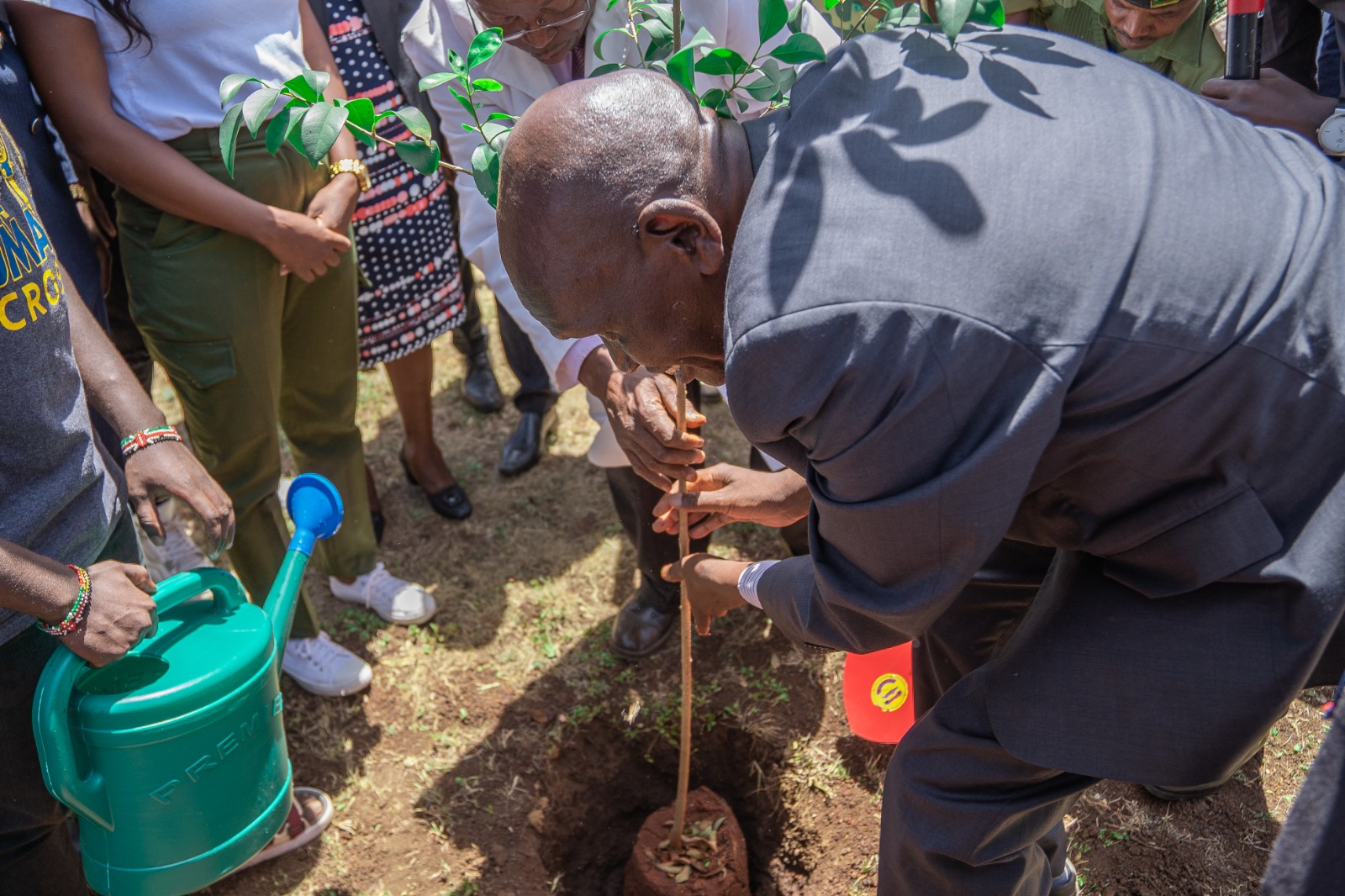
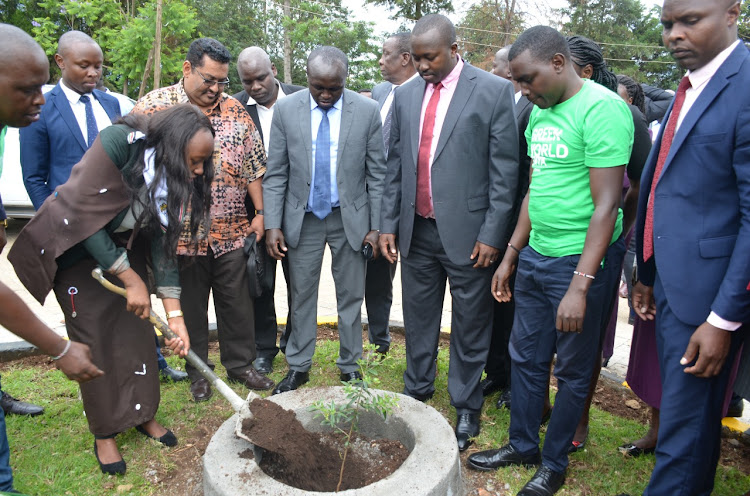
Through the SMACHS Foundation, Charlene Ruto is mobilizing young people across Kenya to plant and nurture 30 million trees. It’s not just a reforestation goal—it’s a movement.

With youth ambassadors in every county, the program ensures that tree planting is:

  • Community-driven.

  • Linked to education on ecosystem conservation.

  • Monitored for survival and long-term growth.

Beyond the shovel

Reforestation with SMACHS also means:

  • Teaching agroforestry—where trees are integrated into crop and livestock systems.

  • Training youth in nursery management and seedling propagation.

  • Encouraging alternative income from tree-based products (e.g., honey, herbs, and fruit).

Conclusion:

Tree planting is more than an act of restoration—it’s a symbol of hope, growth, and generational responsibility. By rooting youth in environmental stewardship, SMACHS is helping Kenya grow greener from the ground up.

Do you have questions? Call or visit us.

+254 746 090 999

Nairobi, Kenya

hello@charleneruto.org

Newsletter

Get latest news & update

© 2025 – Charlene Ruto. All rights reserved.